
Are semi-permeable membranes the future of fresh water? Let's explore this concept.
To begin with, a semi-permeable membrane is a barrier that lets one type of molecule pass through, but not another. In this case, the molecule being allowed through is water, while the blocked molecule is the salt dissolved within that water.
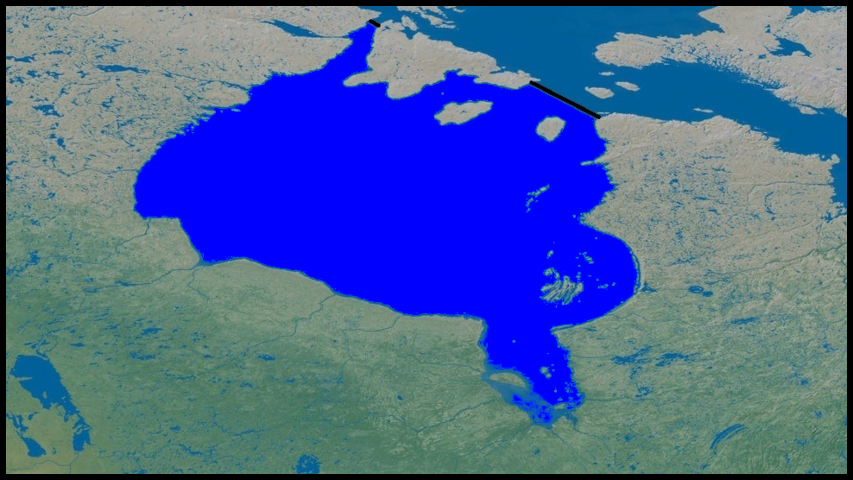
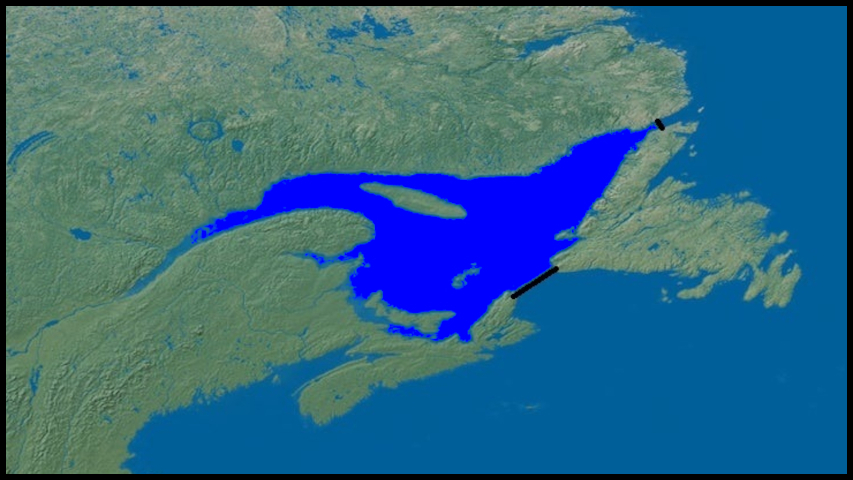
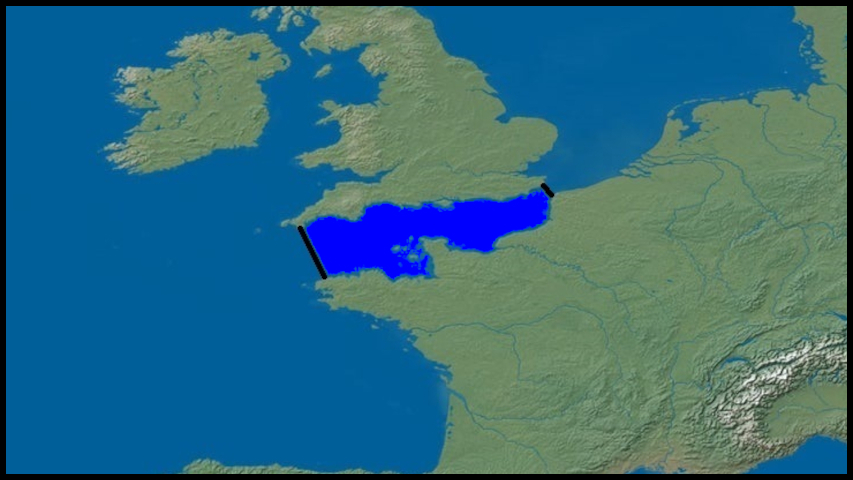
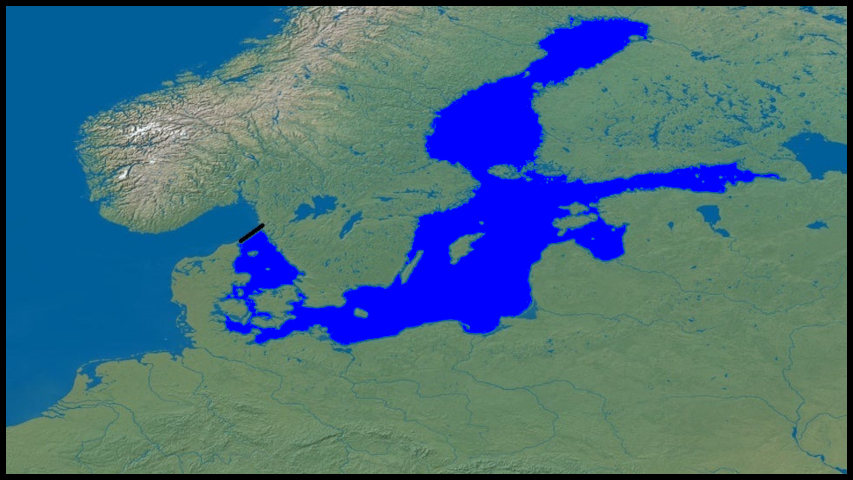
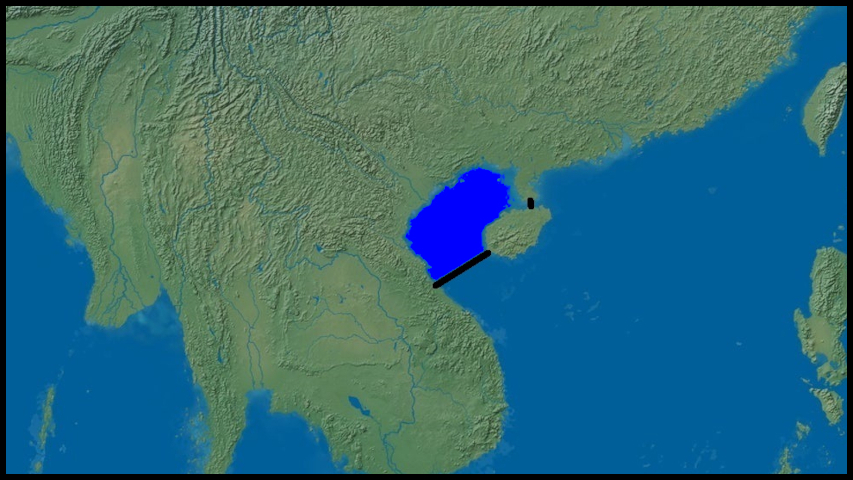
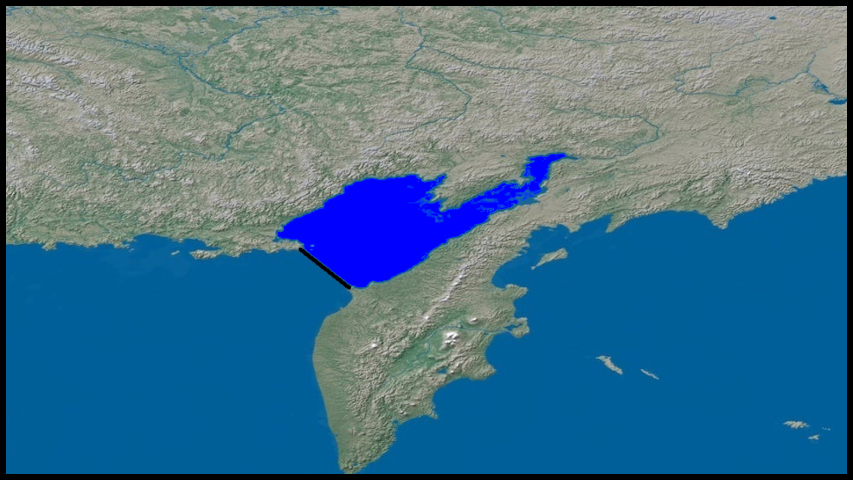
If constructed at the junction between a fresh water estuary and the salty body of water it empties into, the barrier can then be theoretically expanded outward, day by day, until an expansive fresh water reservoir is created and encompassed by a containment wall.
Given the manufacturing costs, creating such a barrier on a geographic scale is not currently possible. But assuming that at some point over the coming centuries it does become affordable, what follows are among the technology's 15 greatest possible global applications:
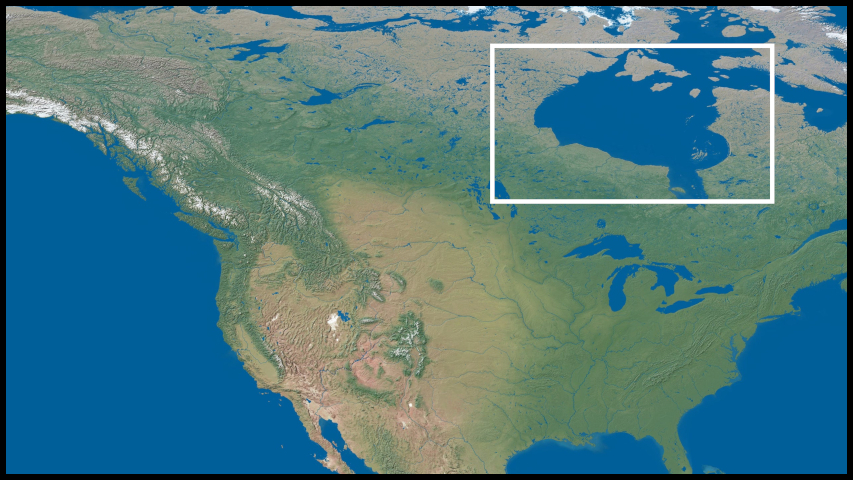
1. Hudson Bay
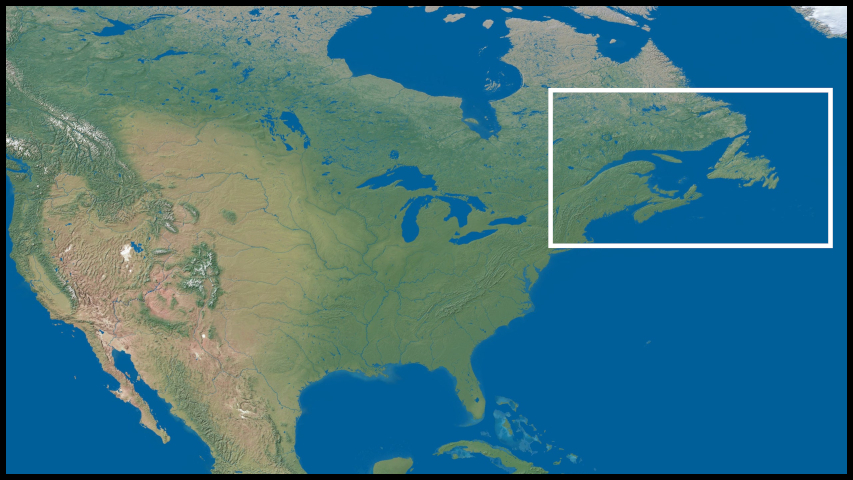
2. Gulf of Saint Lawrence
3. Gulf of California
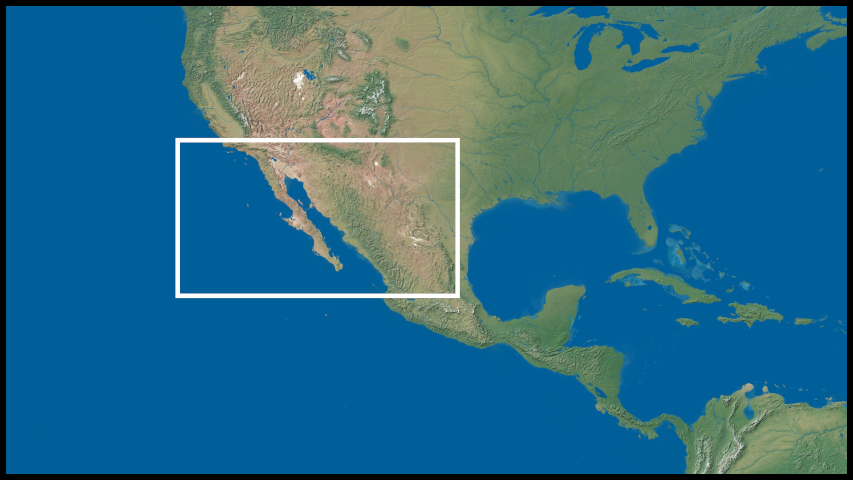
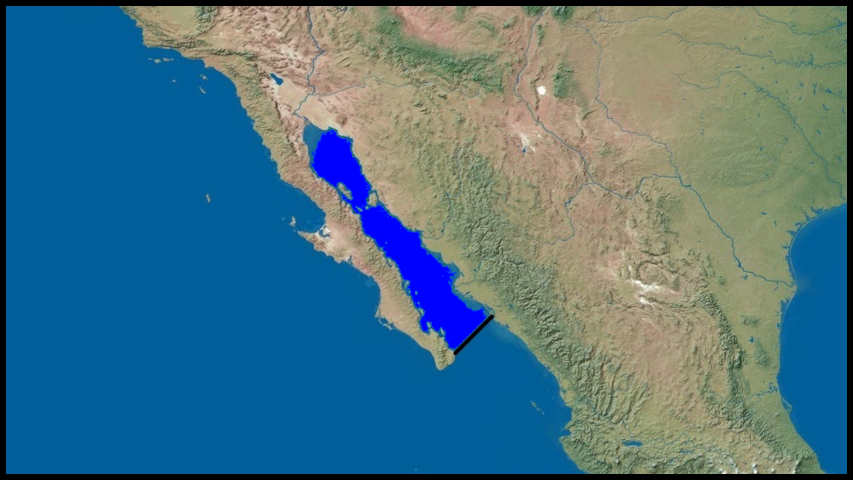
4. Gulf of Mexico
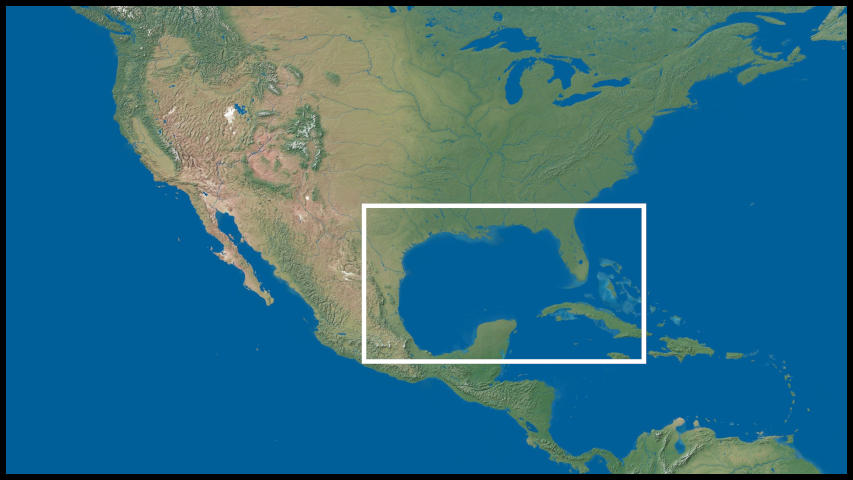
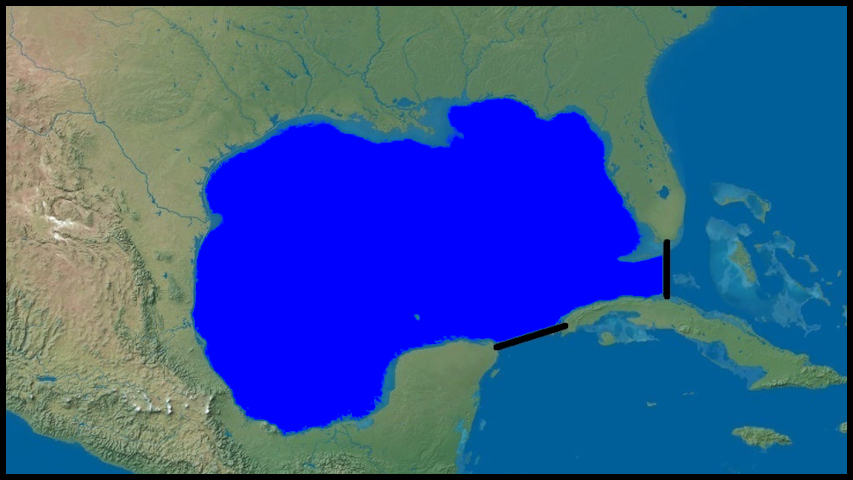
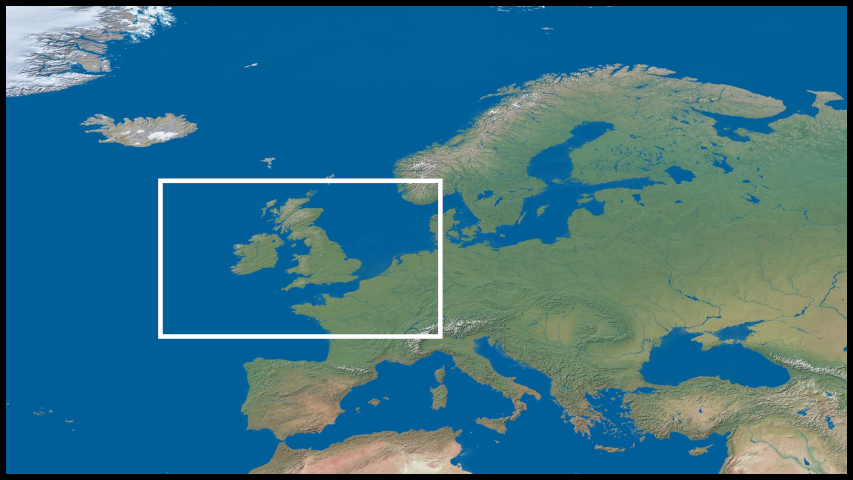
5. English Channel
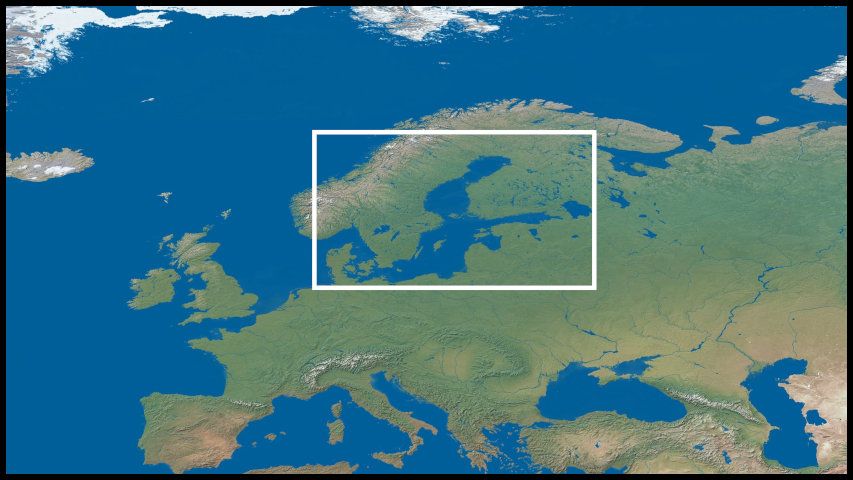
6. Baltic Sea
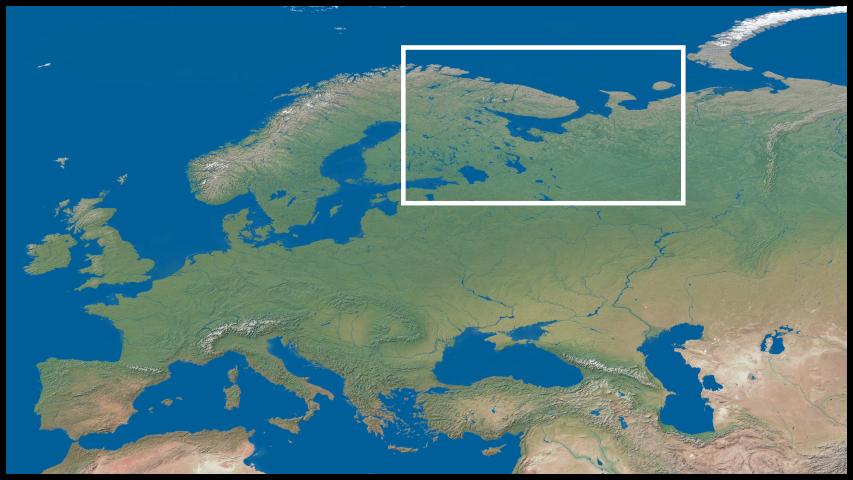
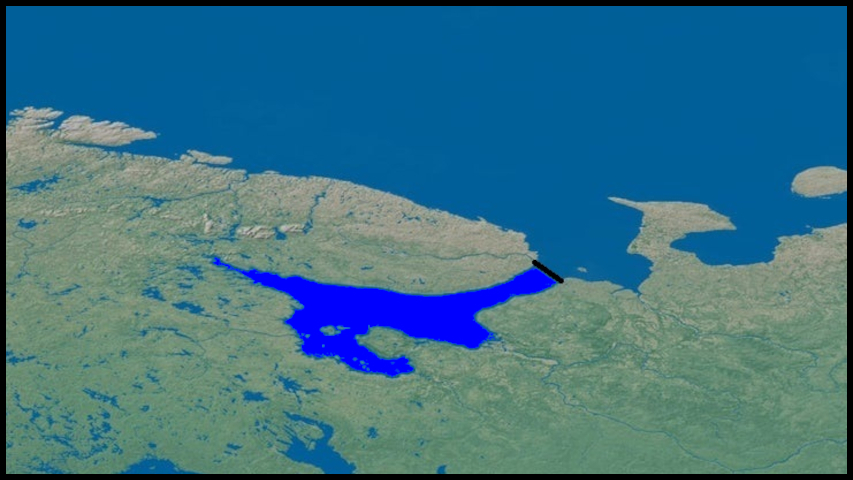
7. White Sea
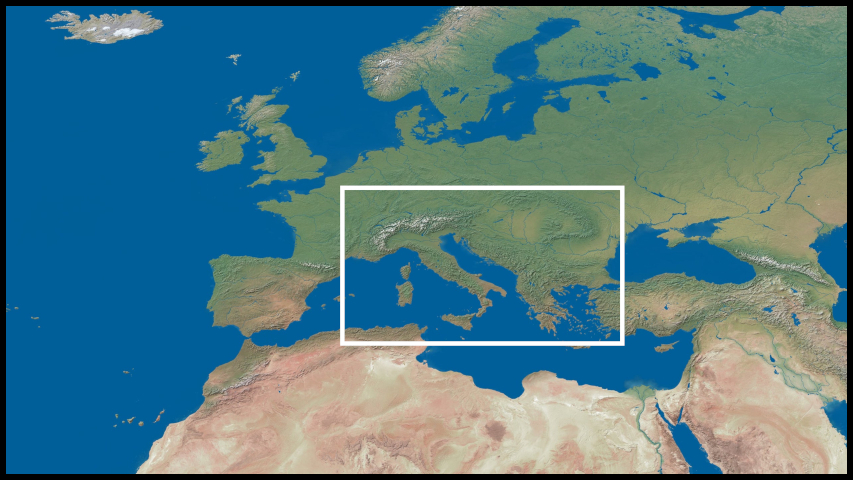
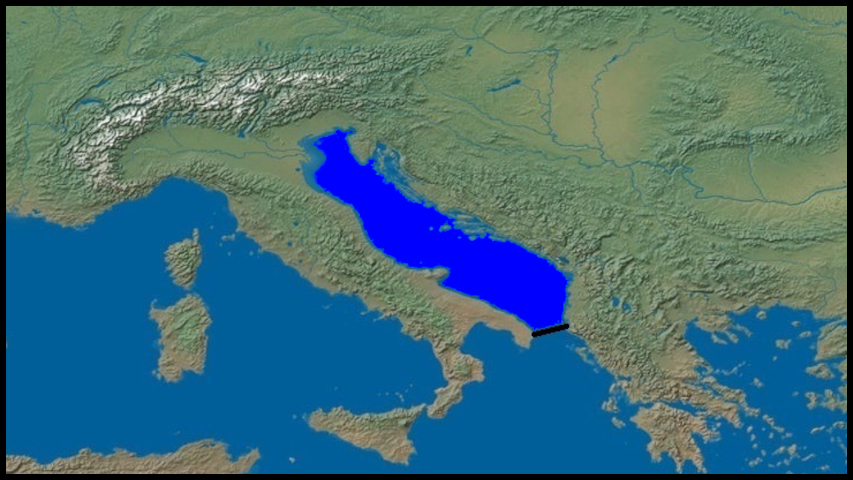
8. Adriatic Sea
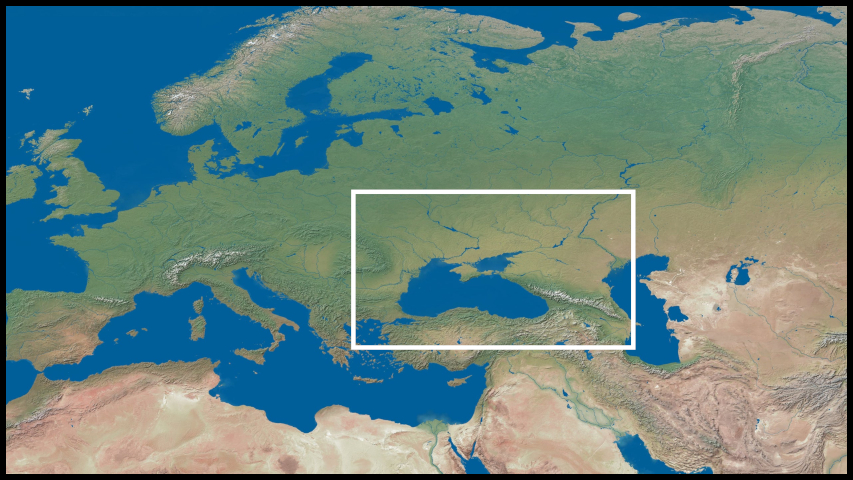
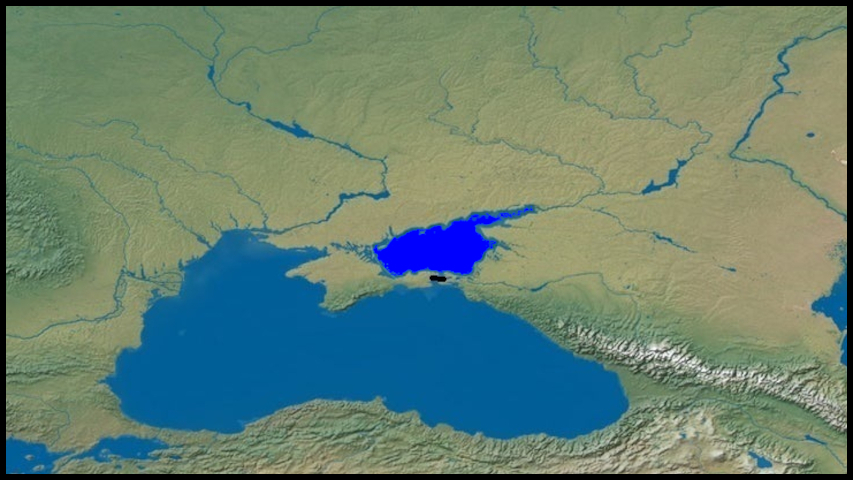
9. Sea of Azov
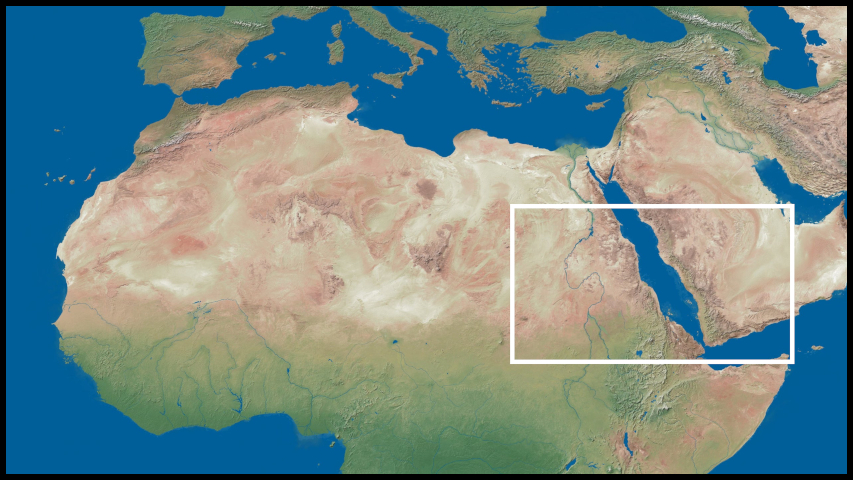
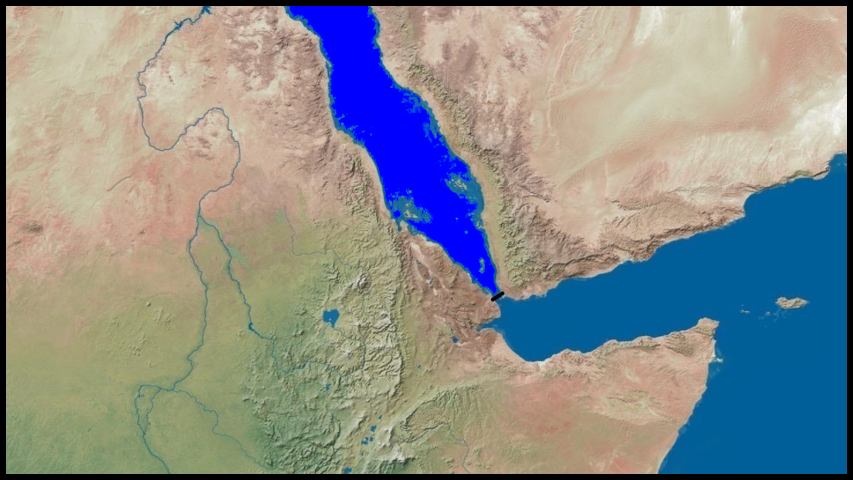
10. Red Sea
11. Persian Gulf
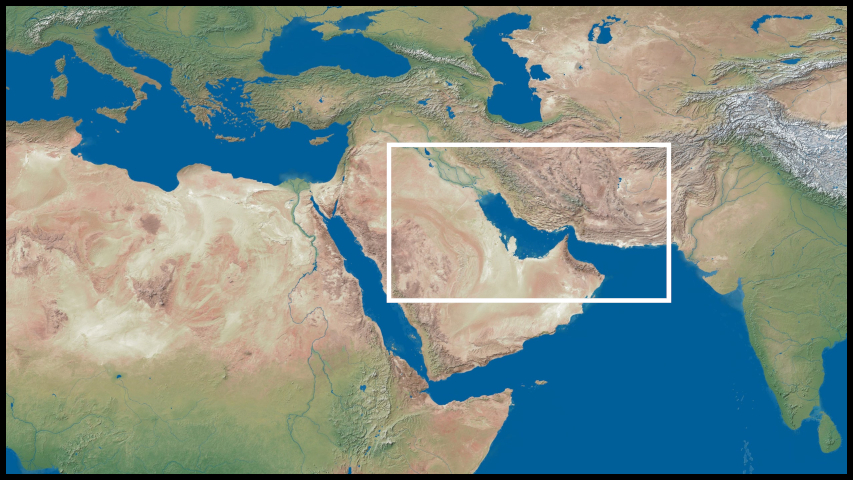

12. Gulf of Tonkin
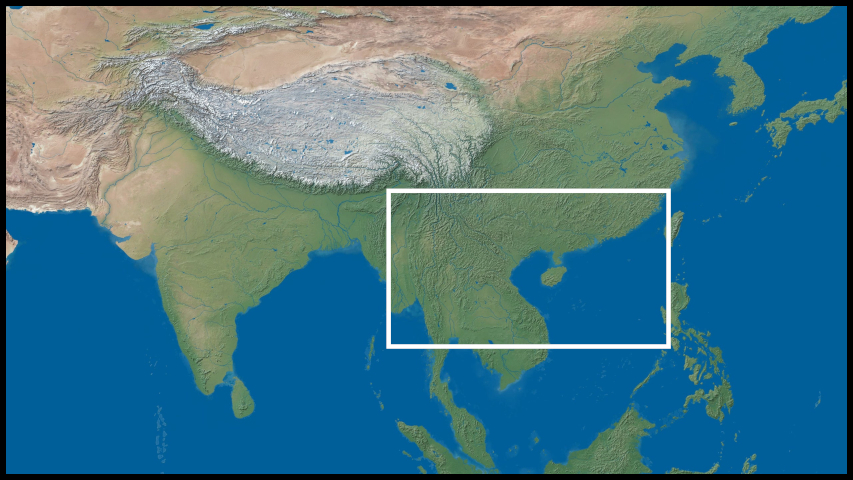
13. Sea of Okhotsk

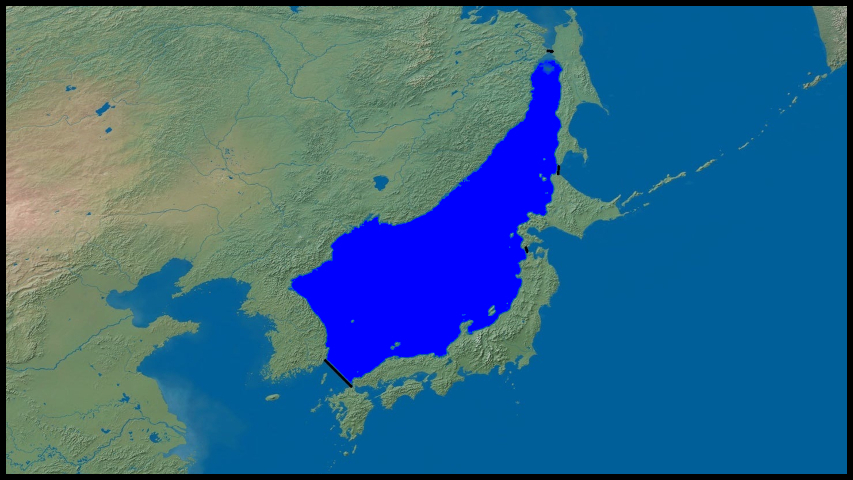
14. Sea of Japan

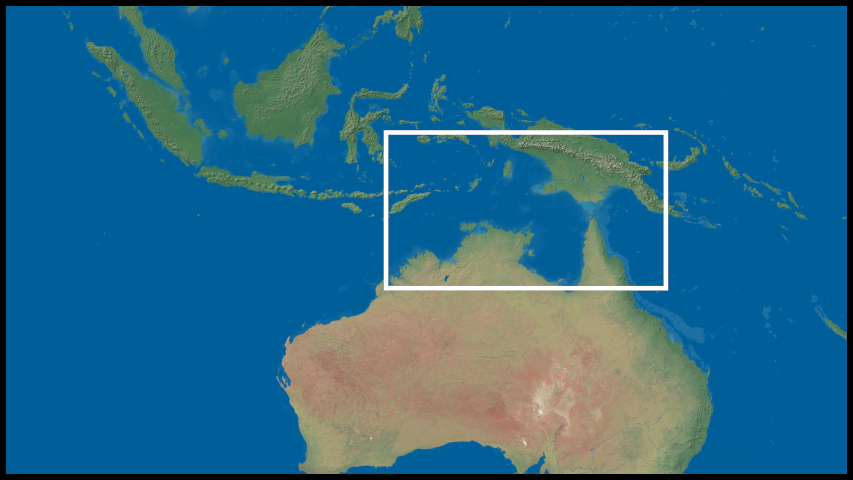
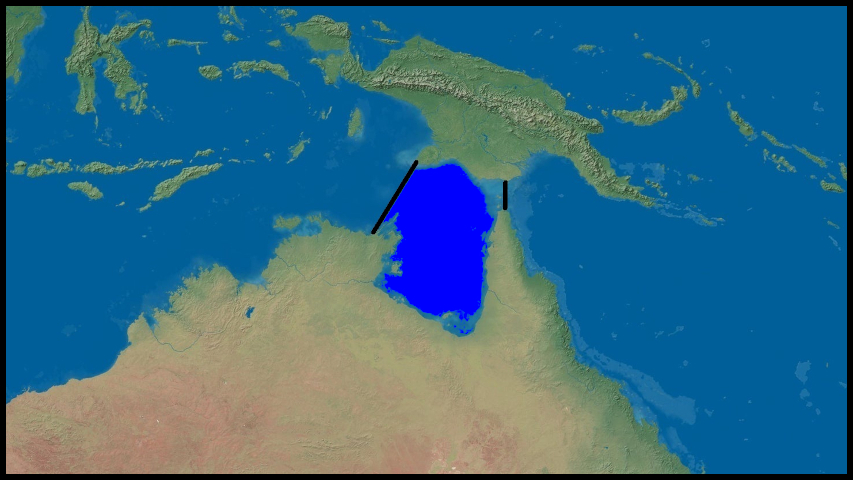
15. Arafura Sea
Add new comment